Click here to download article
Human-Centric Lighting Takes Centre Stage
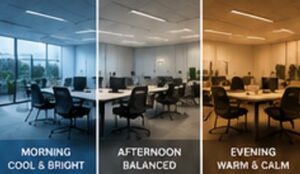
One of the biggest trends for 2026 is Human-Centric Lighting (HCL). These systems are designed to mimic natural daylight patterns by automatically adjusting colour temperature and brightness throughout the day.
Cooler, brighter light in the morning helps improve alertness and concentration, while warmer tones later in the day can reduce eye strain and fatigue. This approach supports employees’ natural circadian rhythms and contributes to a healthier workplace environment.
Benefits:
 Improved employee wellbeing
- Reduced fatigue
- Enhanced focus and productivity
- Better workplace comfort
Smart Lighting Controls Become Standard
The rise of smart buildings is driving increased adoption of intelligent lighting systems. Modern office lighting can now respond automatically to occupancy, daylight levels and usage patterns.
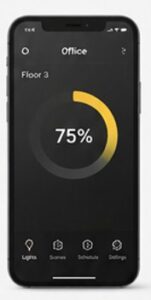
Motion sensors, daylight harvesting and app-based controls allow businesses to reduce energy consumption while maintaining optimal lighting conditions throughout the workplace. Smart lighting is increasingly being viewed as a key sustainability tool rather than simply a convenience feature.
Benefits:
 Lower energy bills
- Reduced carbon footprint
- Automated control
- Improved building efficiency
Flexible Lighting for Flexible Workspaces
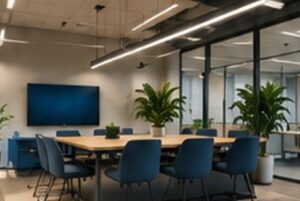
Hybrid working and agile office layouts have changed how workplaces are used. Lighting design is now expected to support a range of activities, from focused individual work to collaborative meetings and informal breakout spaces.
Rather than relying on a single lighting solution throughout a building, organisations are adopting layered lighting strategies that provide different lighting levels and atmospheres depending on how a space is being used.
Common Applications:
 Focus workstations
- Collaboration zones
- Meeting rooms
- Breakout areas
- Multi-purpose spaces
Sustainability Remains a Priority
With rising energy costs and increasing environmental targets, businesses are continuing to prioritise energy-efficient lighting solutions.
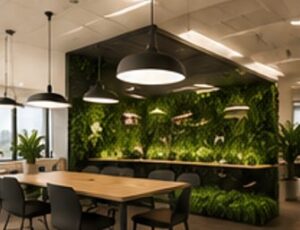
LED technology dominates modern commercial lighting installations, offering exceptional energy savings, longer lifespan and lower maintenance requirements compared with traditional lighting systems. The combination of LED lighting and smart controls can significantly reduce overall building energy consumption.
Benefits:
 Reduced operating costs
- Longer service life
- Lower maintenance requirements
- Improved ESG performance
Biophilic Lighting Design
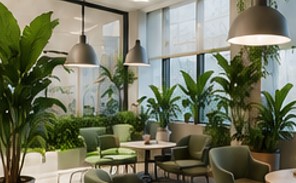
Biophilic design continues to influence commercial interiors, with lighting playing a significant role in creating a stronger connection to nature.
Designers are increasingly using natural light, daylight-responsive controls and lighting schemes that complement planting and natural materials. The aim is to create healthier and more inviting workplaces that positively impact employee wellbeing.
Benefits:
 Enhanced employee satisfaction
- Improved workplace experience
- Increased creativity and engagement
- Stronger connection to natural environments
Decorative Lighting in Commercial Spaces
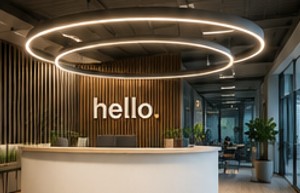
Office lighting is becoming more design-led. Reception areas, meeting rooms and breakout spaces are increasingly incorporating decorative and architectural lighting features that make a visual statement.
Pendant lighting, bespoke fixtures and sculptural lighting installations are helping businesses create memorable spaces that reflect their brand identity while enhancing the overall workplace experience.
Popular Features:
 Statement pendants
- Architectural feature lighting
- Bespoke installations
- Brand-focused lighting design
Data-Driven Building Performance
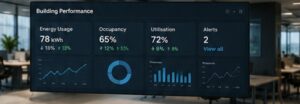
Modern lighting systems are increasingly integrated with wider building management systems, providing valuable data on occupancy patterns, energy usage and workplace utilisation.
This information helps facilities managers optimise building performance, reduce costs and make informed decisions about future workspace requirements.
Key Advantages:
 Better space utilisation
- Reduced energy waste
- Improved building intelligence
- Enhanced operational efficiency
Looking Ahead
Office lighting in 2026 is about far more than visibility. Successful workplace lighting schemes now balance employee wellbeing, energy efficiency, sustainability and design aesthetics.
Businesses investing in human-centric lighting, smart controls and flexible lighting strategies are creating healthier, more productive environments while reducing long-term operating costs.
At Etech Southern, we work closely with clients, consultants and fit-out teams to deliver innovative lighting solutions that support modern workplace requirements, enhance employee experience and meet sustainability objectives.
Planning an office refurbishment or fit-out project? Contact Etech Southern to discuss how intelligent lighting design can transform your workspace.